Microfluidic-based Biochip-integrated Multiplex Assay Devices for Rapid Biomarkers Detection
Project Description
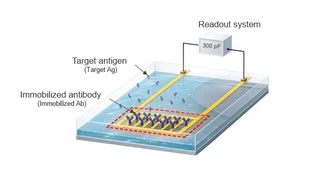
This research project focuses on developing microfluidic-based biochips for rapid biomarker detection in point-of-care (POC) applications. The platform integrates blood-plasma separation, controlled microfluidic transport, and capacitance-based biosensing into a compact system designed to reduce sample-processing requirements and detection time.
A key component of the project is the design and fabrication of microchannels for the passive separation of plasma from whole blood. The microfluidic architecture is engineered to regulate sample flow, minimize cellular interference, and deliver plasma efficiently to the sensing region without relying on bulky external separation equipment.
The sensing platform employs functionalized interdigitated electrodes to detect target biomarkers through changes in electrical capacitance. The electrode geometry, surface functionalization, and microchannel configuration are optimized to enhance sensitivity, specificity, signal stability, and reproducibility while requiring only a small sample volume (finger pirck blood).
This research aims to establish a rapid, compact, and minimally invasive diagnostic platform that can support decentralized biomarker testing. By combining microfluidic sample preparation with capacitance-based sensing, the project contributes to the development of accessible POC technologies for clinical screening, disease monitoring, and early diagnosis.
We are currently focused on the early detection of Ovarian Cancer (CA 125, HE4) and Alzheimer’s disease (Aβ40, Aβ42, p-tau).
